Welcome to Kovio

Your Guide to Holistic Well-being

Comprehensive Insight into Natural Pathways: Lifestyle, Nutritional Strategies, and Holistic Well-being Approaches

Peaceful nature landscape

Understanding Holistic Well-being

Holistic well-being encompasses an integrated approach to health that recognizes the interconnectedness of multiple dimensions of human existence. This perspective acknowledges that physical, mental, emotional, and spiritual aspects of life are deeply intertwined and contribute collectively to overall equilibrium and life satisfaction.

Rather than viewing health as the mere absence of disease, holistic well-being considers the dynamic balance between these interconnected components. Each dimension influences the others, creating a synergistic system where harmony in one area supports resilience and vitality in others.

Understanding these interconnections allows individuals to approach their well-being in a comprehensive manner, recognizing that nurturing one aspect of health naturally supports improvements across other dimensions. This educational framework helps explain why various lifestyle practices, nutritional approaches, and mind-body disciplines have been valued across cultures and centuries.

Holistic well-being concept
Balanced nutrition

The Pillars of Natural Health

Natural health principles rest upon several foundational pillars that have been recognized across various wellness traditions and scientific research. These fundamental components provide the structural foundation for understanding how individuals can support their overall well-being through intentional lifestyle choices.

Core Foundations:

  • Nutrition: The consumption of nutrient-dense foods that provide essential macronutrients and micronutrients to support bodily functions and metabolic processes.
  • Physical Activity: Regular movement and exercise that supports cardiovascular health, muscular strength, flexibility, and mental clarity.
  • Adequate Rest: Sufficient sleep and recovery periods essential for cellular regeneration, immune function, and cognitive restoration.
  • Stress Management: Intentional practices and approaches to maintain emotional equilibrium and mental well-being in daily life.

These pillars work synergistically, each supporting and reinforcing the others in creating a robust foundation for sustainable well-being.

Nutritional Foundations: A Balanced Perspective

Nutrition forms a fundamental aspect of well-being, providing the biological building blocks necessary for all physiological processes. Understanding the roles of various nutrients helps explain how food choices contribute to bodily function and overall health.

Macronutrients

Carbohydrates serve as the body's primary energy source, with complex carbohydrates providing sustained energy and fiber for digestive health. Proteins support tissue repair, enzyme production, and immune function, while fats contribute to hormone regulation, cellular membrane function, and nutrient absorption.

Micronutrients

Vitamins and minerals facilitate countless metabolic processes, from bone mineralization to immune defense. Each micronutrient plays specific roles in supporting various bodily systems and maintaining physiological equilibrium.

A balanced nutritional approach emphasizes variety, whole foods, and nutrient density—providing the body with diverse sources of essential nutrients necessary for optimal function.

Mindful eating preparation
Active lifestyle movement

Mindful Eating Practices

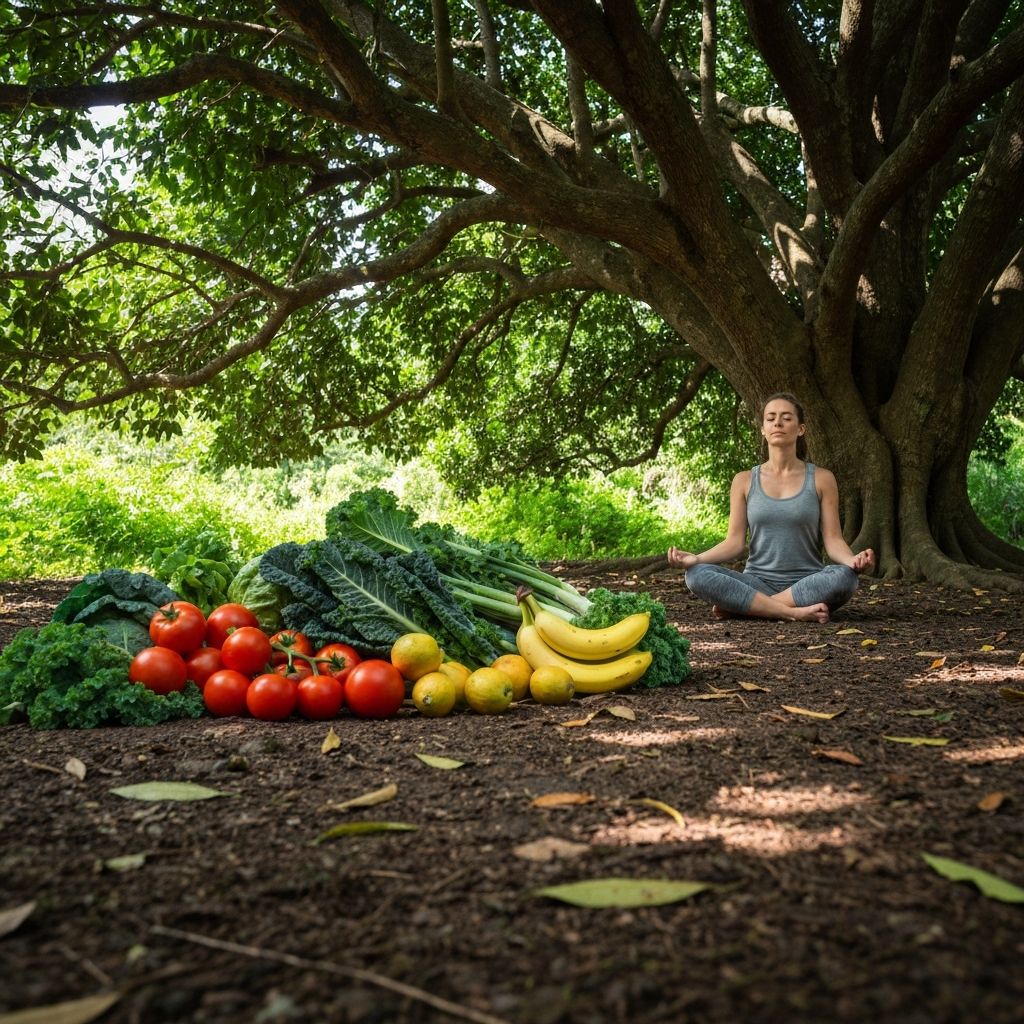
Mindful eating represents an approach to food consumption that emphasizes awareness, intention, and attunement to bodily signals. This practice explores how the quality of attention brought to eating can enhance the experience and support digestive comfort.

Rather than prescribing specific diets, mindful eating principles describe a framework for conscious engagement with food. This includes observing hunger and satiety cues, appreciating sensory aspects of food, and maintaining awareness of how different foods affect energy, mood, and overall well-being.

The practice acknowledges that eating is not merely a biological necessity but also a cultural, social, and psychological experience. By bringing greater awareness to this fundamental human activity, individuals can develop a more harmonious relationship with food and nourishment.

The Role of Movement in Daily Life

Physical movement and regular activity represent essential components of a well-balanced lifestyle. Movement engages multiple physiological systems and contributes significantly to both physical and mental well-being.

Benefits of Regular Activity:

  • Cardiovascular Health: Regular movement strengthens the heart and circulatory system, improving oxygen delivery throughout the body.
  • Muscular and Skeletal Strength: Physical activity supports bone density and muscle maintenance across the lifespan.
  • Mental Clarity and Mood: Movement stimulates neurochemical processes that support cognitive function and emotional well-being.
  • Sleep Quality: Regular physical activity contributes to improved sleep architecture and recovery.

The type, duration, and intensity of movement can vary widely based on individual circumstances and preferences, with numerous approaches available to support an active lifestyle.

Stress management meditation
Peaceful sleep and recovery

Stress Management Techniques

Stress represents a natural aspect of human experience, yet chronic or unmanaged stress can significantly impact well-being across multiple dimensions. Various approaches have been developed to help individuals maintain mental and emotional equilibrium in the face of daily challenges.

Common Approaches:

  • Meditation and Mindfulness: Practices that cultivate present-moment awareness and mental clarity.
  • Deep Breathing Techniques: Conscious breathing practices that activate the body's relaxation response.
  • Time in Nature: Exposure to natural environments that support psychological restoration and calm.
  • Physical Activity: Exercise as both a physiological and psychological stress-management tool.
  • Social Connection: Meaningful relationships and community engagement that provide support and perspective.

Optimizing Sleep for Recovery

Sleep represents one of the most fundamental aspects of human physiology, serving as a period of essential restoration and recovery. Understanding sleep's role helps explain why this biological process is central to well-being across all dimensions of health.

Sleep Stages and Functions:

Sleep comprises distinct stages, including light sleep, deep sleep, and REM (rapid eye movement) sleep, each serving specific restorative functions. During deep sleep, the body undergoes tissue repair and immune consolidation. REM sleep supports cognitive processing, memory consolidation, and emotional regulation.

Supporting Better Sleep:

General practices that support sleep quality include maintaining consistent sleep-wake schedules, creating a cool and dark sleep environment, minimizing screen exposure before sleep, and engaging in relaxing evening activities. Understanding individual sleep needs and patterns allows for personalized approaches to optimizing rest and recovery.

Botanical herbs and plants
Herbal botanical wisdom

Exploring Botanical Wisdom

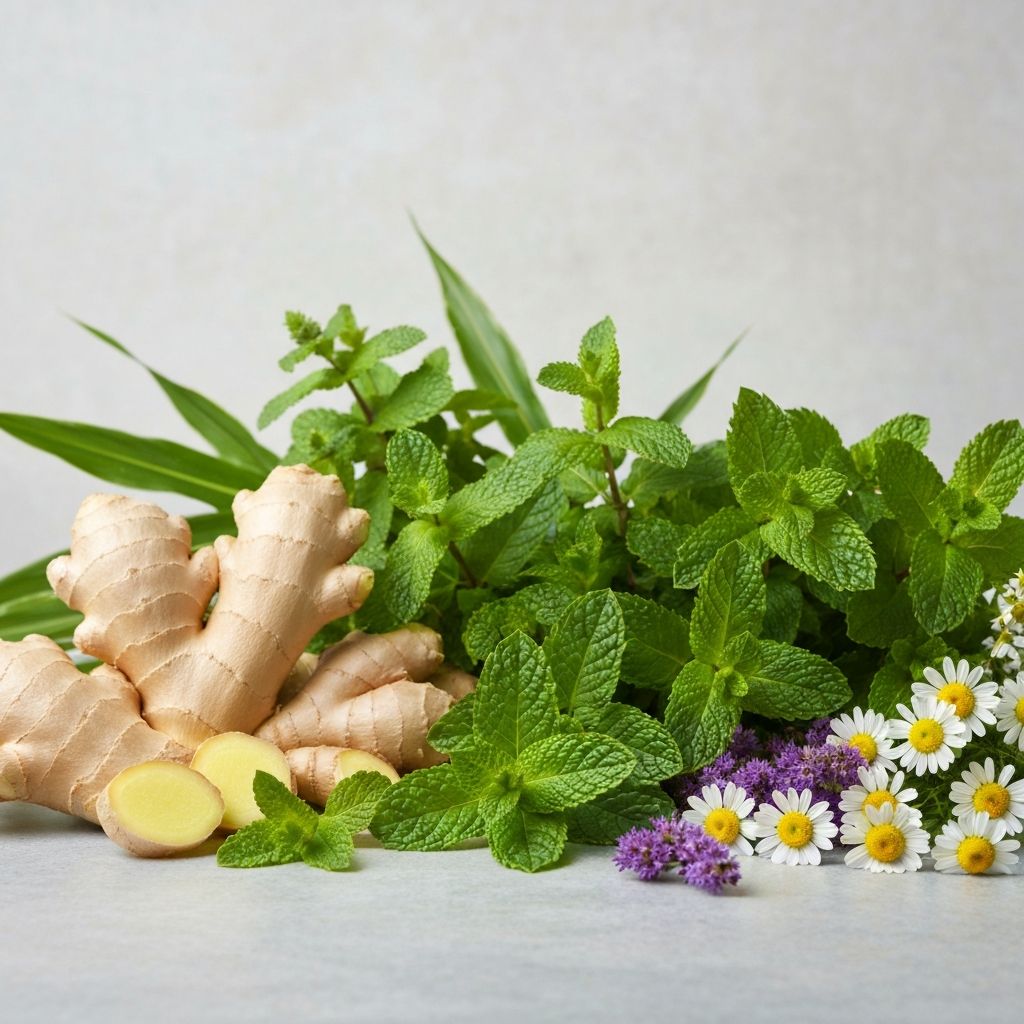
Plants have held significant roles across human cultures for centuries, with various botanical traditions documenting the characteristics and historical uses of different plant species. This educational exploration describes how botanical knowledge has been developed and transmitted across generations and cultures.

Natural ingredients are understood within their cultural and historical contexts, explaining traditional uses and botanical properties from an informational perspective. This knowledge base contributes to understanding how various natural substances have been valued and incorporated into wellness practices worldwide.

The scientific study of botanical compounds continues to inform and validate many traditional practices, providing mechanisms for understanding how plant-derived substances interact with biological systems. This convergence of traditional wisdom and modern research creates a comprehensive framework for understanding botanical approaches to well-being.

Explore Natural Ingredients

Educational Content Only

No promises of outcomes. This information is provided for educational purposes only and does not constitute medical advice, diagnosis, or treatment. Individual results may vary based on personal circumstances, genetics, and lifestyle factors. Always consult with a qualified healthcare professional before making significant changes to your health or wellness practices.